When a company calls us to automate something, it usually arrives with the solution already picked: a new CRM, a dashboard, an AI agent for WhatsApp. That is fine. But after fifteen years of building software and doing process consulting, I have seen that the question that saves the most money comes before any talk about tools: which system owns each piece of data?
The answer touches money. If two systems both believe they own the price, the customer or the inventory, any automation on top of them inherits the fight.
The price lived in two places
At J. García López, where I lead Innovation and Development, the pricing rule for preneed plans was split. Part of it lived in the sales CRM and part in each manager’s judgment about which discount was allowed. It worked because experienced people held it together from memory.
The trouble shows up when you want to measure or scale. A new sales rep does not have that memory. A margin report does not know which discount was agreed over the phone. And every price change had to be made in two places.
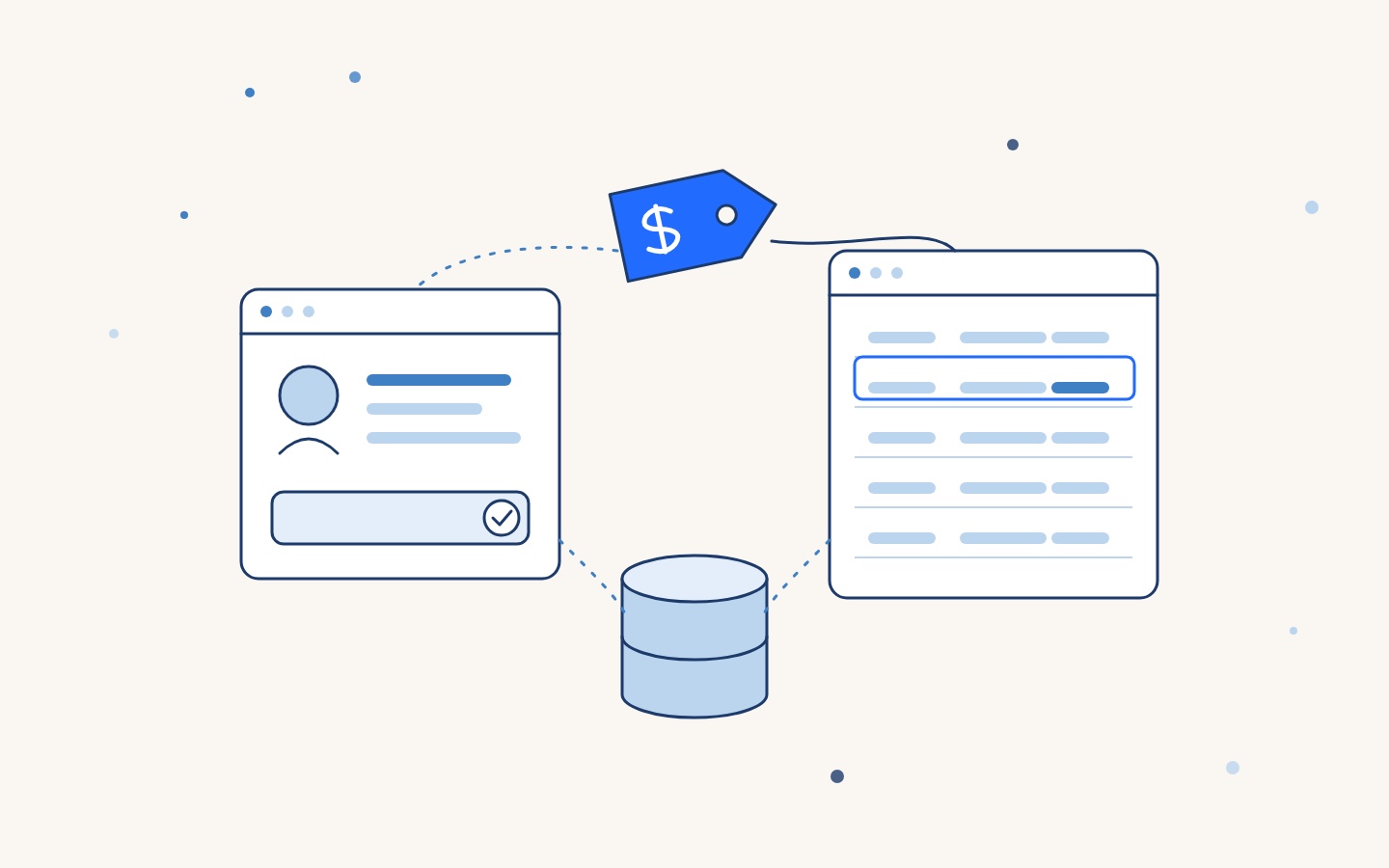
We moved the rule into the ERP. SAP Business One now sets the final price of each plan, and the CRM checks only two things: that the down payment is right and that the discount stays under the allowed cap. One owner for the price.
Duplicates are not a cleanup problem
Another symptom we find often: the same prospect entered two or three times with the same phone number. You can clean the database every month, and you should, but duplicates almost always happen because the system does not warn the rep in time that the person already exists, or that a colleague is already working the lead.
If you plan to have an AI agent answer prospects, this matters twice as much. An agent that does not know the customer spoke with a rep yesterday will start the conversation from scratch, and the customer notices.
Tasks nobody closes
In October 2026 we closed 4,276 overdue manager activities in the J. García López CRM. Almost all of them were automatic reminders that nobody had a reason to close, so they piled up until the task board stopped meaning anything.
A board full of noise is worse than no board, because it trains people to ignore it. Before you automate sales follow-up, decide which tasks deserve to exist and who closes them.
What we ask in the first week
When we review a process, before proposing any tool, we look for answers to these questions:
- Which system owns the customer, the price, the inventory and the payment?
- Where is the same data typed twice, and who reconciles it?
- Which rules live only in someone’s head?
- Where does each sale come from? If you do not know, you do not know which campaign works.
- Which report does leadership read every week, and which database feeds it?
We learned the attribution question by measuring. For J. García López we tied every lead to its source, and the system now tracks more than 6,500 leads with their channel identified. Before that, ad spending decisions were made on instinct.
When to build nothing
Sometimes the diagnostic says no new software is needed. What is needed is to move a rule to the right system, turn off an automatic task or connect two systems that already exist. I mention it because it is the hardest part to sell and the part that helps the client most.
I sit on the board of Alcis Corp, a holding of more than ten companies, and from that seat the question about any system is always the same: what it costs, when it pays back and what risk it carries. A project that cannot answer those three is not ready to start.
If you are about to invest in a system and are not sure who owns each piece of data, I would like to hear what you found. Write to me.