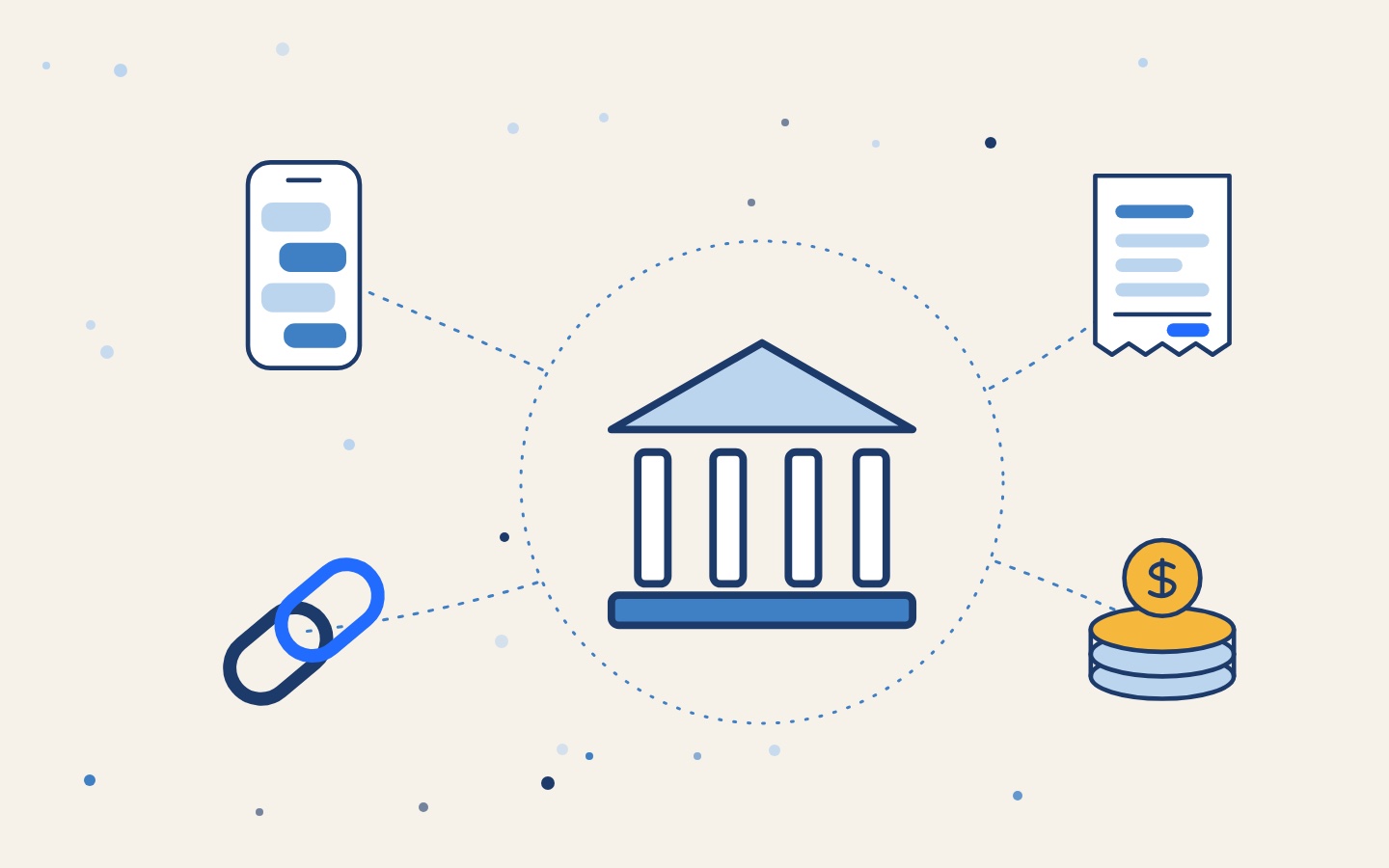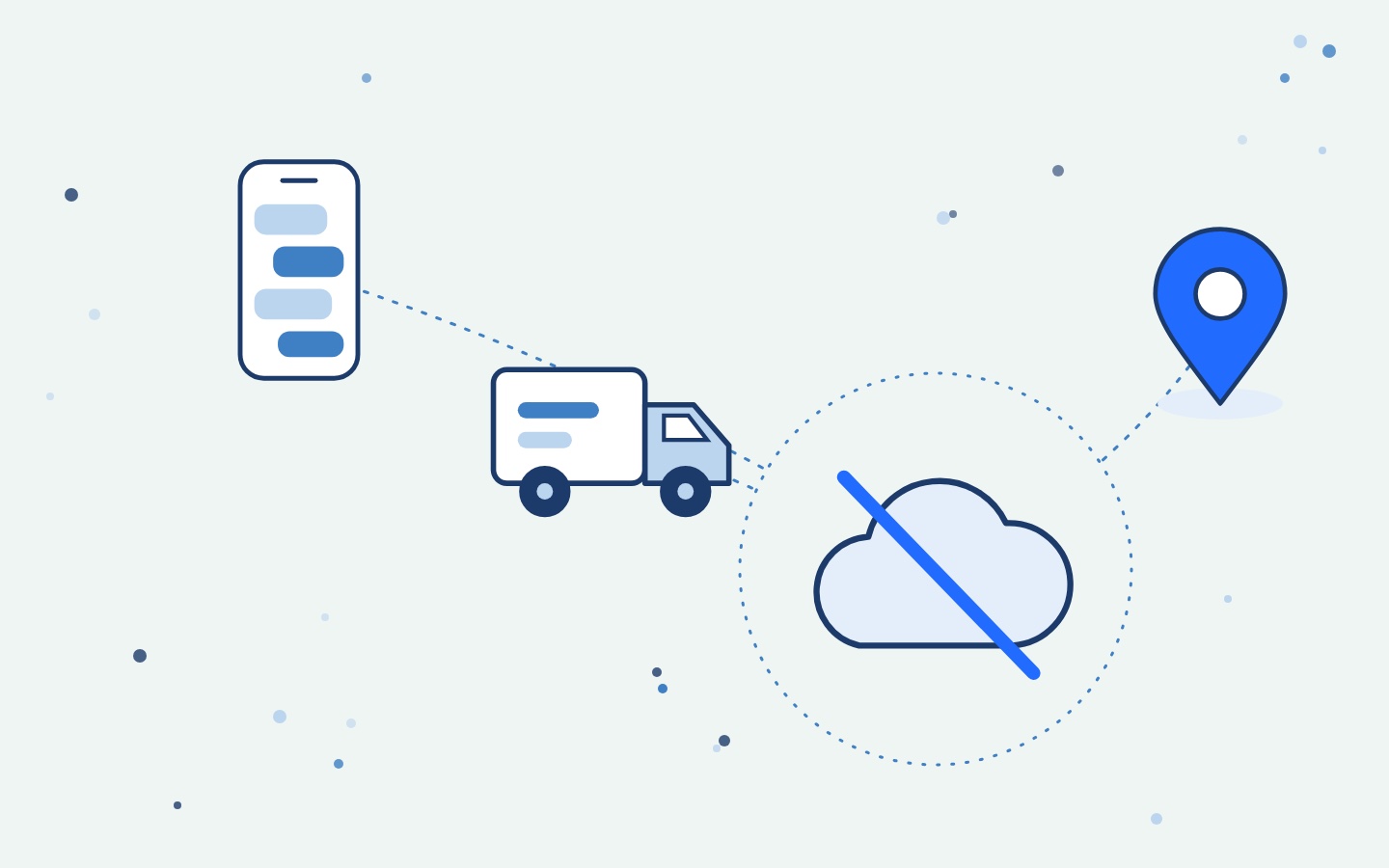
Nori’s route app works without internet. A sales rep can take orders and collect payments on a ranch with no signal or in a store basement, and everything syncs when the phone is back online. Building that is much harder than it looks.
Not every app needs to work offline. But if your operation has people in the field, it helps to know what it involves before you ask for it or rule it out.
When you do need it
The question I ask is simple: what happens if the rep loses signal in the middle of a sale? If the answer is “they wait five minutes,” you probably do not need it. If the answer is “they lose the sale,” “they write it on paper” or “they type it in at night,” you do.
That paper is the clearest symptom. Every sale written by hand and entered later is a chance for a mistake, and it is usually the sale that is missing when the day closes. In Mexico many routes have patchy signal: highways, rural areas, shopping centers with bad coverage, warehouses.
What you have to decide
Building an app that works offline forces business decisions nobody usually thinks about:
What travels on the phone
The catalog, prices and the route’s customers have to be on the device before leaving. That forces you to decide how large that data can be and how often it updates. A price that changed at midday does not reach the rep who is already out of signal.
Who wins in a conflict
If the rep records a payment offline and, meanwhile, someone at the office applied a payment from the same customer, there are two versions when they sync. You have to define in advance what happens: which one stands, which one goes to review and who reviews it.
How documents are numbered
Document numbers cannot depend on the server if the phone cannot reach it. Each device needs its own series, or a scheme that keeps two reps from generating the same number.
What cannot happen without a network
Some things need a connection no matter what. Stamping a Mexican electronic invoice (CFDI) requires the certified provider to be online, so on the route the rep hands over a receipt and the invoice is stamped when the app syncs. The same goes for a card payment that needs bank authorization. The app has to tell the rep clearly what is still pending.
Inventory on the truck
In route sales the inventory is not in the warehouse, it is on the truck. If the app does not deduct it on the spot, the rep can promise product they no longer carry. That is why on a route the vehicle’s stock is handled as its own warehouse, loaded when the truck leaves and settled when it returns.
That end-of-day settlement is where you see whether everything worked: what went out, what was sold, what was collected and what came back have to match. When the app works offline and syncs well, that closing stops being an argument.
How to test it before you buy it
If a vendor tells you their app works offline, ask for this test: put the phone in airplane mode, take three orders and one payment, close the app, open it again, turn airplane mode off and check that everything reaches the system exactly once. The “exactly once” part is what fails most often.
Do your reps still keep a notebook for when there is no signal? I would like to know at which point on the route it happens most.